

Matching your content to search intent is essential. Someone who types 'emergency electrician 24 hours' wants to call, not read a guide. Your website needs to make that easy.
What does this mean in practice?
Search intent is the goal behind a search. There's informational intent ('how to choose a heat pump'), navigational intent ('Bol.com login'), comparative intent ('best electrician reviews') and transactional intent ('emergency electrician Rotterdam').
Why does this matter for your business?
Google shows the pages that best match the intent. A guide won’t win for 'emergency', and a services page won’t win for a 'how to' question. When your content matches the intent, both your rankings and the number of enquiries improve.
Examples and best practices
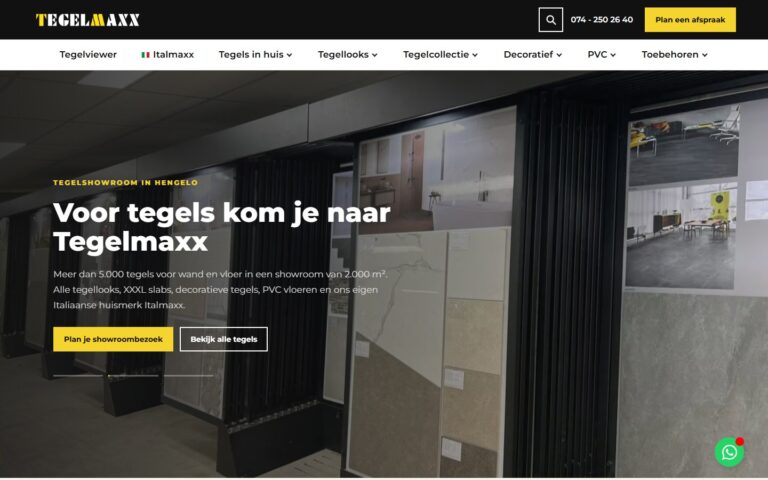
- For keywords with 'urgent', '24 hours' or 'price', show your phone number and contact button straight away.
- For 'how' and 'why' questions, write a guide with a link to your service.
- For comparative keywords, show reviews and projects.
- Look at what Google currently shows for a keyword; that reveals the intent.
How we do it at Ikoon
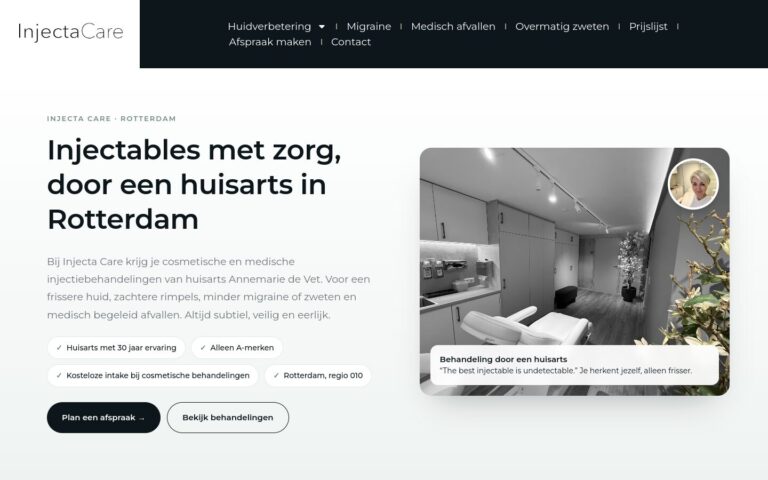
Ikoon websites are designed around search intent. Service pages lead quickly to contact, with WhatsApp and call buttons where appropriate. Articles from the Business Blog with content plan or the Content Power Pack answer informational questions and guide visitors to what you offer.