



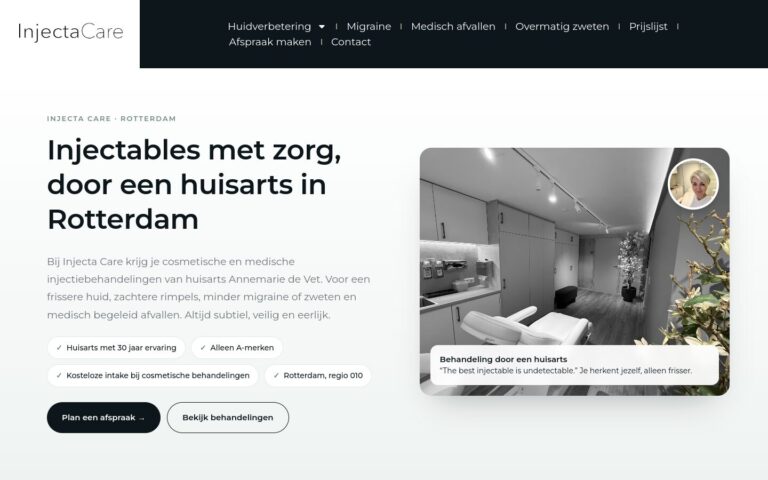
The H1 indicates the main topic of a page. H2 to H6 divide the text into sections. A good heading structure makes a page easier to read for people, search engines and AI models.
What does this mean in practice?
Headings H1 to H6 form the hierarchy of titles on a page. The H1 is the main title, and there is only one. With H2 headings you divide the text into chapters, and with H3 to H6 you add more detail. Just like chapters and paragraphs in a book.
Why does this matter for your business?
A good heading structure lets you scan a text quickly. It also helps search engines and AI models understand faster what the page is about. Headings with natural keywords help your position in Google too.
Examples and best practices
- Use one H1 per page, with your main service and, if relevant, your location.
- Use H2 for the main sections: services, prices, projects and frequently asked questions.
- Don't choose a heading level for its size, because you handle styling with CSS.
- Write headings that say something, so not just 'Welcome'.
How we do it at Ikoon
Every Ikoon website has a correct heading structure from the start: one H1 and logical H2's and H3's. That is part of the SEO and AI-proof structure that comes as standard. If you also want your copy written by a specialist, there is Premium copywriting.