


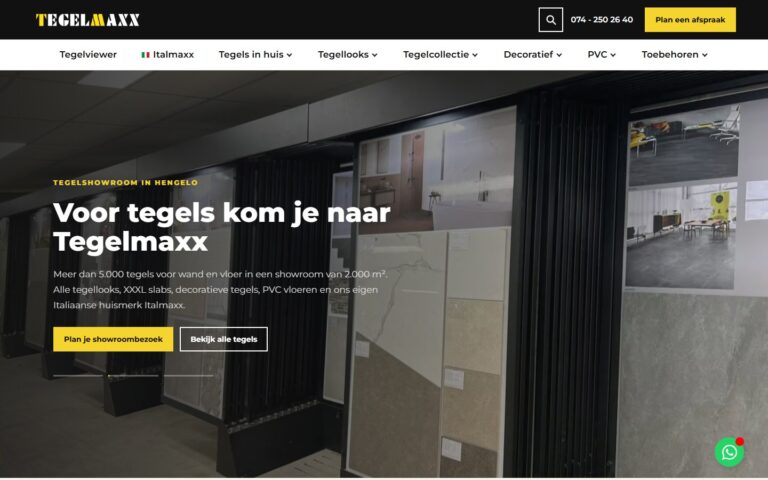
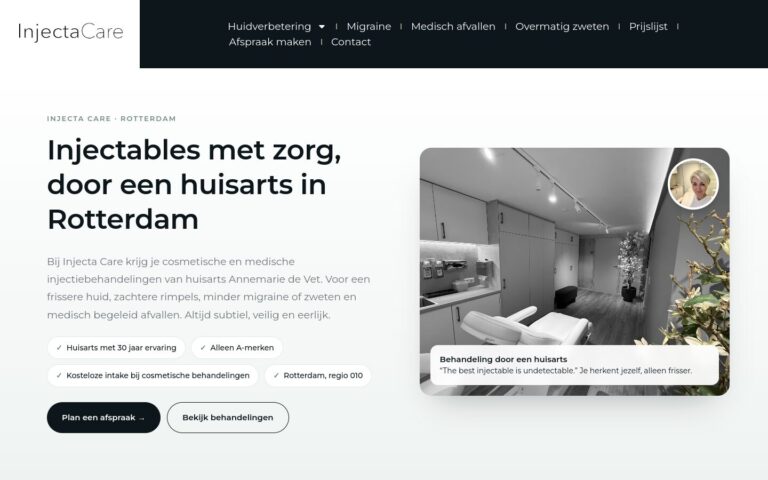
Structured data tells search engines, for example, that a page belongs to a local business with an address, opening hours, reviews and frequently asked questions. As a result, your listing in Google can be richer and AI assistants understand your offering better. Structured data comes as standard with every Ikoon website.
What does this mean in practice?
Structured data is extra code following the schema.org standard. It describes the content of your page in a language machines understand. It literally states that the page belongs to a local business with a particular address, opening hours, prices, reviews or frequently asked questions. Visitors don't see it, but search engines and AI read it very precisely.
Why does this matter for your business?
With structured data, Google can show a richer result, with stars, frequently asked questions or a breadcrumb trail. AI assistants understand exactly who you are and what you offer. That gives you a head start on competitors who haven't got this properly sorted.
Examples and best practices
- LocalBusiness: name, address, phone number, opening hours and service area.
- FAQPage: the questions and answers from your FAQ block.
- BreadcrumbList: the navigation path.
- Service or Offer: your services and guide prices.
How we do it at Ikoon
Structured data comes as standard with every Ikoon website, tailored to your industry. Just like FAQ blocks and an SEO- and AI-proof structure. You don't need any programming skills yourself.